
 Return home
Return home
Return homeExplore adopting zero emission HDV, our recommendations, the ranges, and prices. Read case studies from Royal Mail, Amazon, CEVA Logistics, Warburtons, DHL and Bring and Posten.
Zero emission heavy-duty vehicles (HDVs) are still at an early stage of development. As with lighter vehicles, plug-in hybrid electric vehicles (PHEVs) and other alternatively fuelled vehicles can act as transitional technologies for fleets moving from internal combustion engine (ICE) vehicles to zero emission vehicles (ZEVs). Manufacturers are currently developing a range of zero emission HDV solutions.
One of the main challenges associated with battery electric HDVs is the size of the battery required. Due to the weight and energy demands of these vehicles, large batteries are often needed. Larger batteries take up space, increase vehicle weight and may require higher-powered charging infrastructure.
Catenary charging, which allows vehicles to charge via overhead cables while driving, is being investigated as a potential large-scale solution (Catapult, 2021). However, the technology is not yet widely available or suitable for large-scale deployment. In the short term, we recommend focusing on the procurement and deployment of battery electric or fuel cell electric HDVs where operationally appropriate.
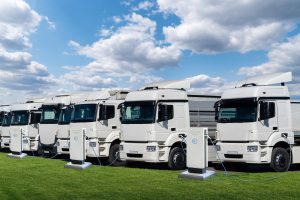
Fleet managers should assess whether any existing heavy-duty vehicles (HDVs) can be replaced with zero emission vehicles (ZEVs) using currently available technology. A range of zero emission HDVs are already in operation, including battery electric buses and smaller goods vehicles. Many of these are now being manufactured at scale and introduced into fleets across the UK. Larger battery electric and hydrogen-powered lorries are also being trialled in a range of operational settings.
Vehicles that undertake short, predictable routes are often the most suitable candidates for battery electric replacement. Battery weight can limit vehicle range, making battery electric HDVs particularly well suited to urban and regional operations. These vehicles are also likely to operate in areas where lower noise levels and reduced air pollution can deliver additional environmental and public health benefits. As the market for zero emission HDVs continues to develop rapidly, organisations should regularly review emerging vehicle options and consider participating in relevant demonstration projects and trials.
Zero emission HDVs can offer lower running costs than their internal combustion engine (ICE) equivalents due to reduced fuel, servicing, maintenance and repair costs. As a result, payback periods can be relatively short. One study found that battery electric trucks could achieve parity with diesel vehicles on a total cost of ownership basis within five years (Earl et al., 2018).
The Scottish Government has set a target for public sector fleets to stop adding new ICE vehicles from 2030, including HDVs. Public sector organisations should take this into account when planning future vehicle procurement. We recommend beginning the transition planning process as early as possible to avoid unnecessary long-term reliance on high-emitting vehicles and to ensure fleets are prepared for future requirements.
The upfront cost of zero emission heavy-duty vehicles (HDVs) remains relatively high. This is due to the current maturity of the market, lower production volumes and the cost of large battery packs. However, procurement decisions should consider the total cost of ownership rather than purchase price alone.
HDVs typically have longer operational lifecycles than smaller vehicle types. Operators can benefit from lower running costs, as electricity is often cheaper than diesel and service, maintenance and repair requirements are generally reduced.
Zero emission HDVs are expected to remain in service for at least 10 years and potentially longer if batteries are replaced as they reach the end of their useful life. As a result, these vehicles can often have a lower total cost of ownership over their lifetime than equivalent diesel vehicles.
HDV pricing varies considerably. This is partly because chassis and bodywork are often procured separately, creating a high degree of vehicle customisation. There is also uncertainty around the development of the zero emission HDV market due to the evolving nature of the technology and the relatively limited number of models currently available. Pricing is expected to become clearer as more vehicles enter service and larger-scale deployments take place.
The table below provides indicative prices for battery electric HDVs based on market analysis, discussions with manufacturers and indicative quotations. Robust pricing data for fuel cell HDVs is not yet widely available and is therefore not included. These figures should be used as a starting point for financial planning, as actual vehicle costs may vary.
| Vehicle size | Range | Battery / approx. range | Indicative price |
|---|---|---|---|
| 7.5t | 180-410km | 110-210kWh | £56,000-£159,000 |
| 12t | 300-350km | 140-250kWh | £139,000-£267,000 |
| 18t | 220-450km | 165-565kWh | £205,000-298,000 |
| 26t | 220-300km | 280-375kWh | £224,000-£282,000 |
| Refust collection (26t) | 100-150km | 300-360kWh | £225,000-£420,000 |
| Make and model | GVW (tonnes) | Range | Details |
|---|---|---|---|
| DAF CF Electric | Up to 37 tonnes | Up to 250km | Available as a two-axle tractor and as a three-axle rigid truck. 350kWh battery pack. Up to 250kW charging. |
| DAF LF Electric | 19 tonnes | Up to 280km | 4x2 rigid truck. 282kWh battery. Up to 150kW charge point, or in 6.5 hours on a 22kW charge point. |
| Eforce trucks | 18-44 tonnes | 450km depending on driving profile | Modular batteries up to 340kWh, comes in many different models including an RCV, 91% battery to wheel efficiency, DC charging up to 350kW. |
| MAN eTGM | 26 tonnes | 190km | 6x2 truck, 185kWh battery pack, up to 150kW DC charging. |
| Mercedes-Benz eActros | 18 or 25 tonnes | Up to 200km | Two battery packs totalling 250kWh, up to 150kW charging speeds. |
| Mitsubishi Fuso ecanter | 7.255 tonnes | 80 miles | 82.8kWh battery, 30% lower maintenance costs. |
| Paneltex (Isuzu) | 7.5 tonnes | Up to 240km | Charging at either 9kW or 18kW. 80, 120 or 160kW battery packs. |
| Paneltex (Isuzu) | 11 tonnes | TBA | Charging at either 9kW or 18kW. 80, 100 or 120kW battery packs. |
| Volvo FE | 27 tonnes | Between 120km and 200km | Three axles. Can be fitted with 3 or 4 battery packs, at 66kWh per pack and a lifetime of 8-10 years. Capable of fast charging. Range: refuse and light construction up to 120km, distribution up to 200km. |
| Volvo FL | 16 tonnes | Up to 200km | Can be fitted with 2 to 6 battery packs at 66kWh per pack and a lifetime of 8-10 years. Use for urban deliveries and waste collection. |
| Volvo FM Electric | Up to 44 tonnes | Up to 300km | Total battery capacity between 450 and 540kWh. Fully charge in 2.5 hours at 230kW DC charging. |
| Volvo FMX Electric | Up to 44 tonnes | Up to 300km | Total battery capacity between 450 and 540kWh. Fully charge in 2.5 hours at 230kW DC charging. |
| Volvo FH Electric | Up to 44 tonnes | Up to 300km | Total battery capacity between 450 and 540kWh. Fully charge in 2.5 hours at 230kW DC charging. |
| Scania BEV | Up to 29 tonnes | Up to 250km | BEV with battery capacity of 165kWh or 300kWh. Available with the L and P-series cabs and body types such as refrigerated box, tipper, concrete mixer and refuse collector, as well as special vehicles for fire and rescue services. Can charge at up to 130kW DC. |
| Renault D Z.E. | 16 tonnes | Up to 300km (real world) | Total battery capacity of between 200 and 300kWh. Available in two wheelbases (4.4 and 5.3 meters). |
| Renault D wide Z.E. | 26 tonnes | Up to 200km (real world) | Total battery capacity of between 200 and 300kWh. Allowing real world range of up to 200km. This is only in a 3.9-metre wheelbase. Suitable for refuse collection. |
In 2017, Royal Mail announced a trial of three Arrival battery electric delivery vehicles. The vehicles, ranging from 3.5 to 7.5 tonnes, were designed for urban delivery operations in London.
Royal Mail stated that the trial would help assess whether the vehicles could eventually replace a larger proportion of its delivery fleet.
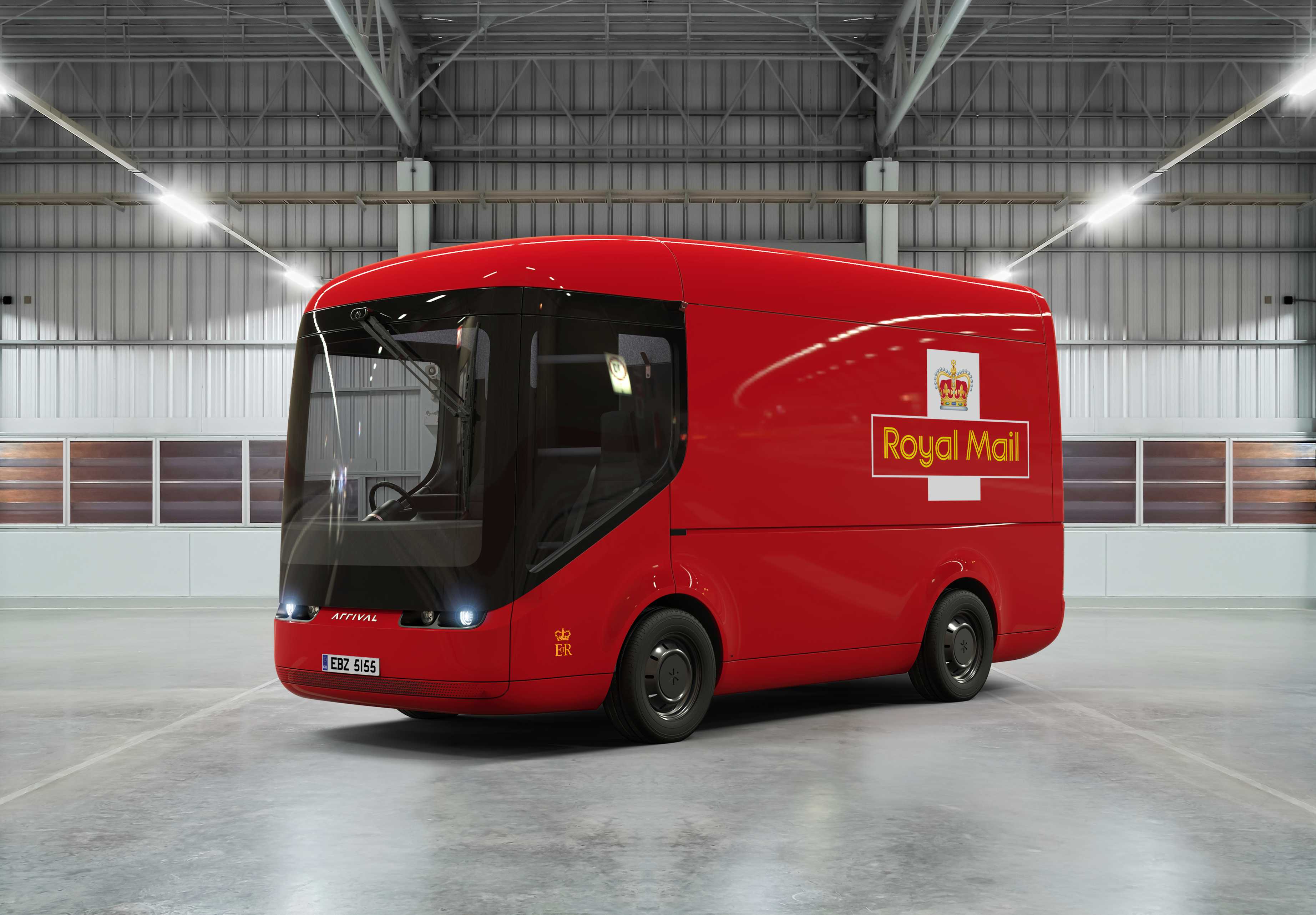
Figure 20: Royal Mail electric delivery vehicle
Source: Electrek, 2017
UPS has ordered 10,000 Arrival Generation 2 battery electric vans for deployment between 2020 and 2024. These vehicles are intended to be rolled out globally, including within the UK.
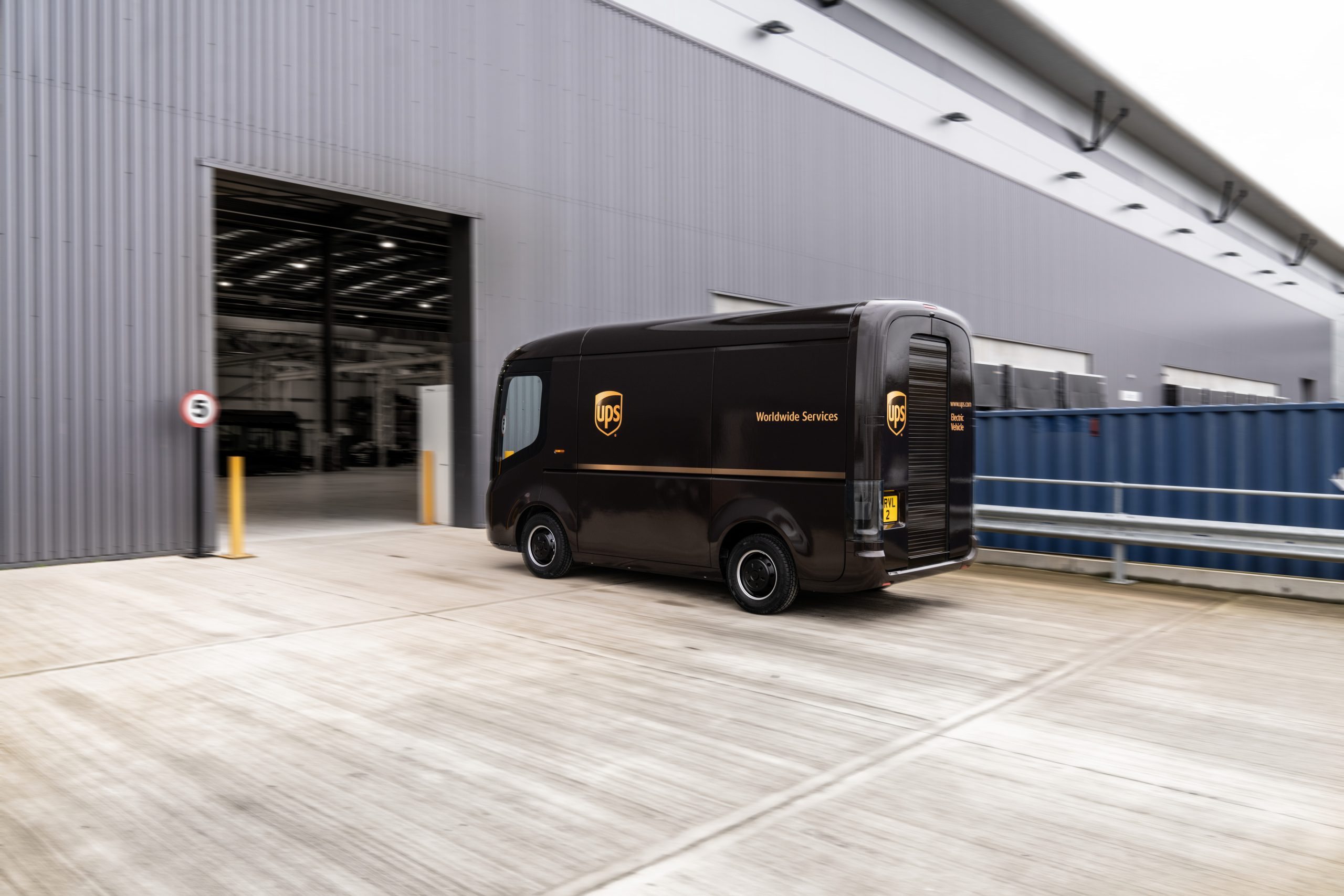
Figure 21: UPS Arrival battery electric van
Image source: Arrival, 2020
In 2019, Amazon announced plans to deploy up to 100,000 electric delivery vans, with the first 10,000 vehicles expected by the end of 2022 and the remaining 90,000 to be introduced by 2030.
The Rivian-Amazon delivery van has already been trialled in Los Angeles, with additional vehicles entering production. These vans have an estimated range of around 150 miles on a full charge.
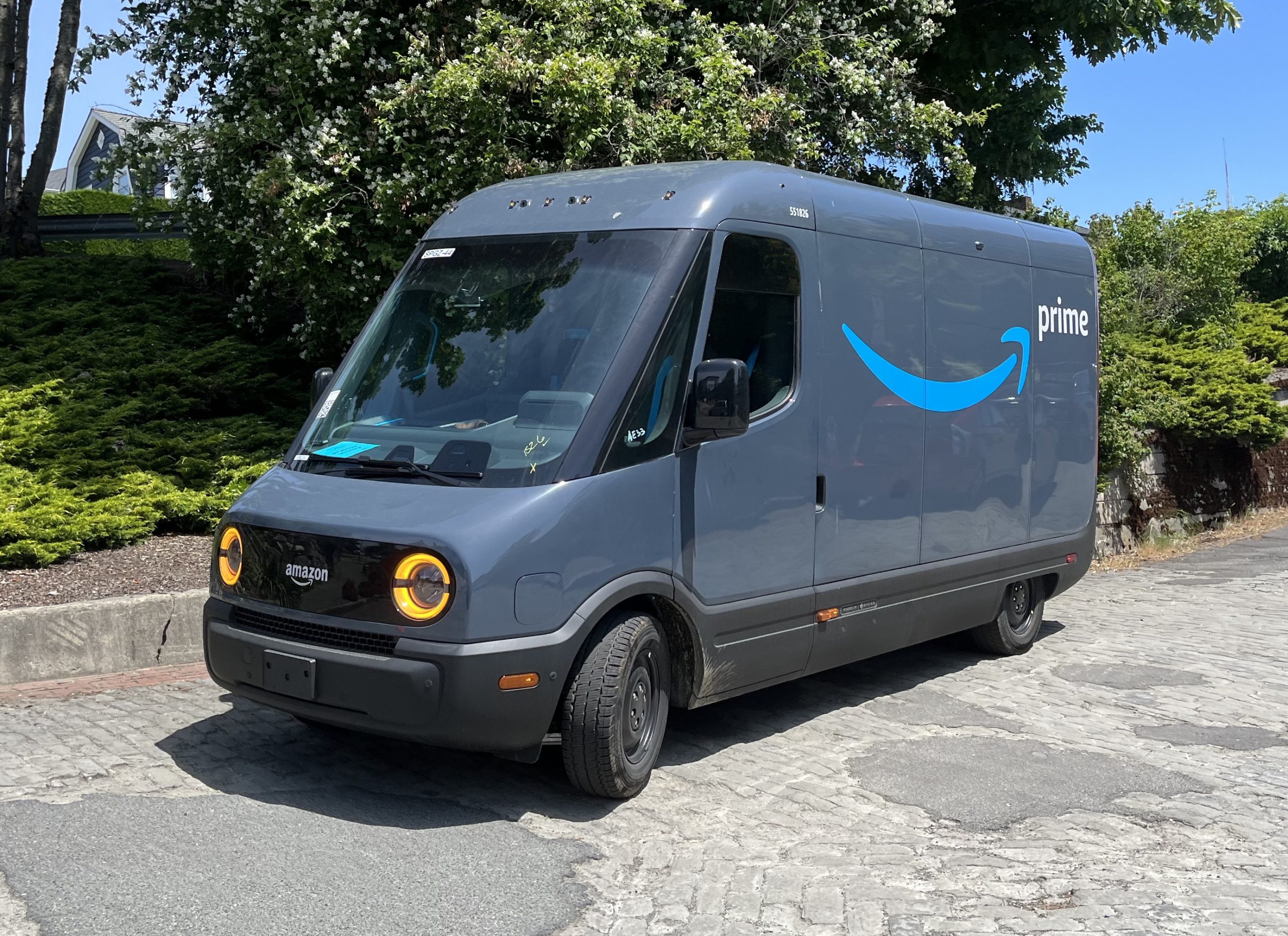
Figure 22: Amazon Rivian electric delivery van
CEVA undertook a six-month trial of two electric heavy-duty vehicles (HDVs) supplied by Tevva. The 12-tonne vehicles operated from Dartford and were used to transport supplies to an NHS Foundation Trust site. One of the vehicles was equipped with a refrigeration unit.
The trial was monitored using telematics data to assess how electric HDVs could be deployed to meet future customer requirements and operational demand.
Warburtons has introduced its first electric heavy-duty vehicle (HDV), a 16-tonne Renault Trucks D Z.E. operating in London. In addition to reducing greenhouse gas emissions, the vehicle helps improve air quality by reducing exhaust emissions in an urban environment.
DHL is operating its first electric heavy-duty vehicle (HDV) in London. The company has introduced a 16-tonne Volvo FL Electric, designed to carry out last-mile deliveries within London’s Ultra Low Emission Zone (ULEZ).
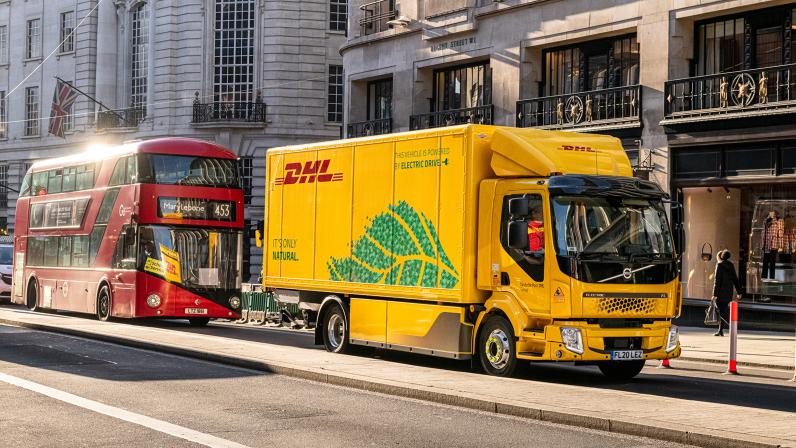
Figure 25: DHL Volvo FL Electric HDV
Image source: DHL, 2020
In addition to its urban electric HDV programme, DHL has announced a trial of a long-haul electric heavy-duty vehicle (HDV). Developed by Volvo, the vehicle is designed to operate at weights of up to 60 tonnes and travel approximately 150km between two depot locations.
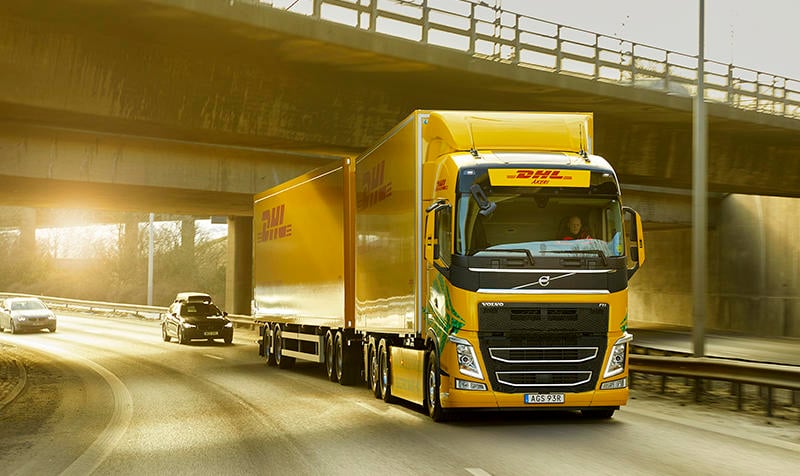
Figure 26: Volvo and DHL electric HDV trial vehicle
Scandinavian postal and logistics company Bring and Posten began trialling Volta Trucks’ 16-tonne battery electric freight vehicle for urban distribution operations. The vehicle is designed to carry out parcel collection and delivery within city centres.
The trial commenced in 2021 across Norway, Sweden, Denmark and Finland.
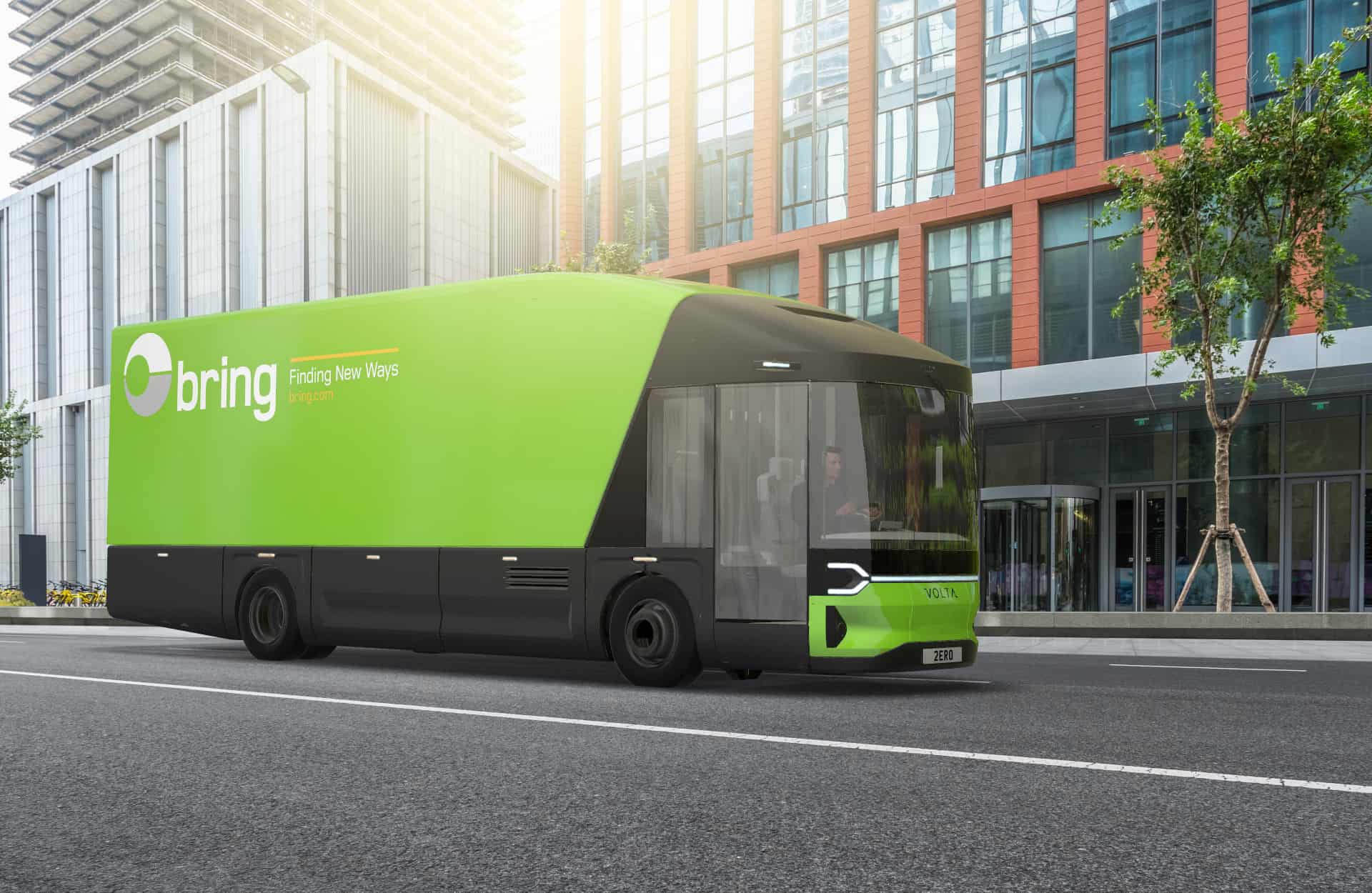
Figure 27: Volta Zero battery electric freight vehicle
